
You take notes every day. Ideas, meetings, random thoughts you want to find later. But honestly? Those notes disappear into a black hole. I used Reflect Notes intensively for two months and can tell you exactly whether it’s worth that € 10 per month.
Reflect Notes: the company
Reflect was founded by Alex MacCaw, a developer who previously built Clearbit. He sold that company and thought: why are note-taking apps still so crappy? Too slow, too complicated, or just not secure enough.
The focus is on speed and privacy. Where Notion wants to be everything for everyone, Reflect deliberately chooses less. No databases. No project management. Just: quickly capture your thoughts and find them later via backlinks.
The interesting part? They use end-to-end encryption. Even they can’t read your notes. For those who note sensitive information – consultants, therapists, journalists – that’s not a luxury but a must.
Who is Reflect Notes actually for?
This is not a tool for students looking for their first note-taking app. For that, it’s too expensive and too minimalist. Reflect is built for professionals who write and think daily.
Think of: consultants documenting client meetings. Writers connecting ideas. Researchers tracking sources. People who journal and want to see patterns in it. If you struggle with information overload and never find your notes again, Reflect can help.
But not for everyone. Missing structure? Want folders and subfolders? Then this will be frustrating. Looking for a free option? Then check out Obsidian. Want to manage tasks alongside your notes? Then Notion or Capacities is better.
Reflect Notes features
Let’s be honest: Reflect does less than most note-taking apps. And that’s exactly the point.
- Networked note-taking (Backlinks) – Type [[name]] and you link to another note. Click on it and you see all places where you wrote about that topic. I use this for people: [[Jan]] automatically links to all meetings and ideas related to Jan. No folders needed.
- AI Integration (GPT-4 & Whisper) – This is really good. Select text, press cmd+J, and the AI summarizes, improves or expands. But even better: the voice transcription. Talk into your phone during a walk, and Whisper converts it to text. Works surprisingly accurate, even with Dutch.
- End-to-end encryption – Your notes are encrypted before they leave your device. Reflect can’t read them. Governments can’t request them. For therapy notes or strategic business plans this is essential. But be aware: forgotten password = lost data.
- Calendar integration (Google & Outlook) – Every meeting automatically gets a note with attendees and agenda. Type during the meeting, and everything is neatly organized by date. No hassle with coming up with titles or saving.
- Kindle & Readwise sync – Highlights from your e-books come in automatically. I mark something in a book on my Kindle, and the next day it’s in Reflect. Combine this with backlinks and you truly build a knowledge network.
- Daily notes & Journaling – Every day automatically opens a new note with the date. Write what you want. After a month you see patterns. I use it for standups: what did I do yesterday, what am I doing today, what am I running into.
- Web clipper (Chrome & Safari) – See an interesting article? Clip it to Reflect. The text is saved, not just the link. Useful for research, but honestly: Readwise Reader does this better.
That calendar integration deserves extra attention. It sounds simple, but it changes how you experience meetings. No more stress about “where do I note this again”. Open Reflect, there’s your meeting, start typing. Afterwards you search by name or date and find everything. For those who have 5+ meetings per day, this is worth gold.
I use the AI feature differently than expected. Not to write texts, but to clean up my own messy notes. After a brainstorm I have 20 loose sentences. Select everything, ask the AI to structure it, and I get a readable summary. It feels like an assistant who thinks along.
Reflect Notes pricing
And then the price tag. $ 10 per month, or $ 120 per year. No free plan. But 14 days trial.
Is that a lot? Yes. Obsidian is free. Logseq is free. For € 120 per year you can also get a year of Notion Plus, which can do much more. Or you just buy Obsidian Sync for € 96 per year and have comparable functionality.
But here’s the thing: Reflect is faster. Really faster. Obsidian feels sluggish with large vaults. Notion sometimes loads for 3 seconds. Reflect opens instantly. For those who open the app 10-20 times daily, that really saves frustration.
Are you paying for features? Partly. Are you paying for speed and focus? Mainly that. If you think € 10 per month is too much, this is not your tool. If your time is worth more than money, it might just be the best investment.
What should you watch out for?
Okay, time for honesty. Because Reflect is not perfect.
No folders. Really no folders at all. Everything is one big list with backlinks. For those who’ve been thinking in folder structures for 10 years, this takes getting used to. I constantly missed it the first week. Not anymore, but that transition is difficult.
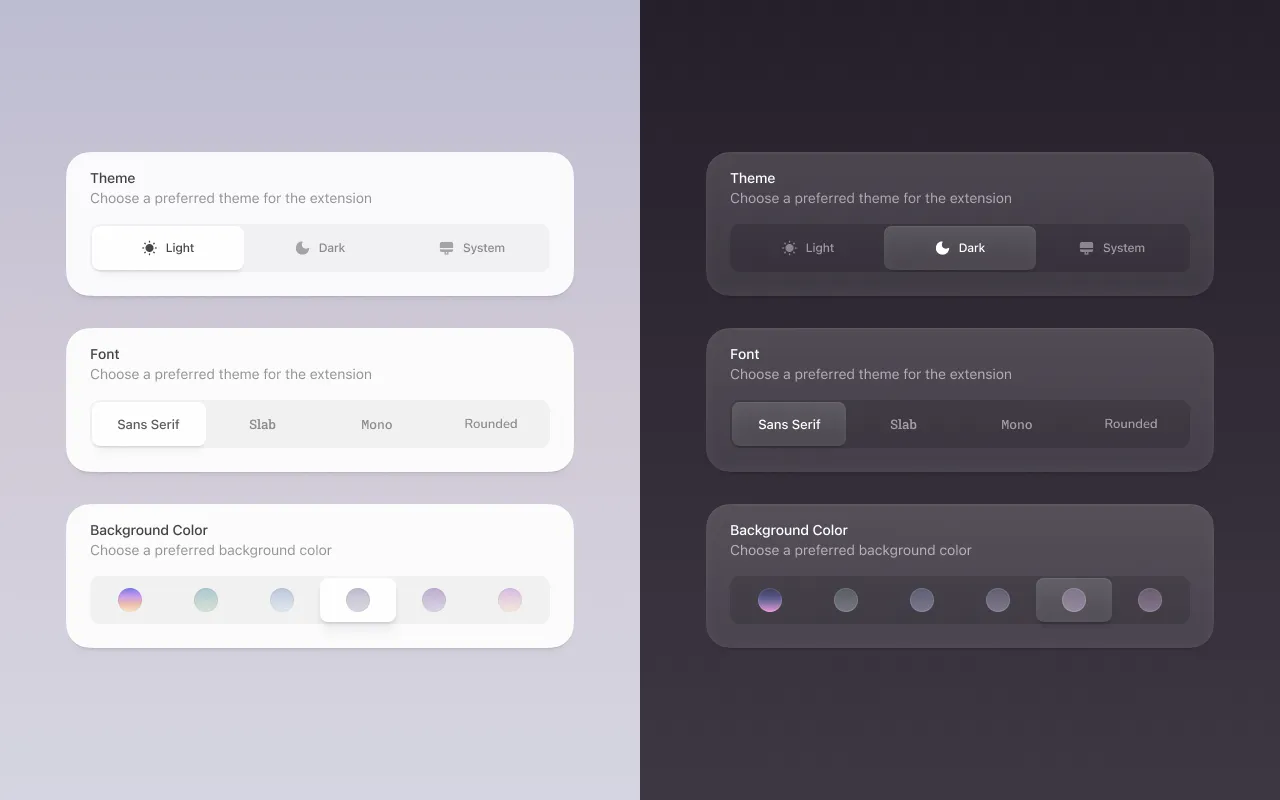
The formatting options are limited. No colors. No highlights. No fancy blocks like in Notion. You get headers, bold, italic, bullets and links. That’s it. For those who work visually, this is too bare.
And that price keeps stinging. $ 120 per year for a note-taking app feels expensive, period. Especially if you’re just starting and don’t yet know if networked thinking suits you. The 14-day trial is too short to really build a knowledge network.
No Android app. If you have an Android phone, you can only use the browser. That works, but it’s not the same as a native app. For a tool that promises mobility, that’s weird.
Task management is minimal. You can create checkboxes, but no due dates, no priorities, no filters. For those looking for GTD or project management: this isn’t it.
What do others think?
The reviews are remarkably consistent. Everyone praises the speed. “Snappiest note-taking app” comes back in every review. That AI transcription is often mentioned as the best implementation of Whisper they know.
The Daily Note workflow gets a lot of love. People describe it as calming. You don’t have to think about where something belongs, you just write in today.
But that price remains a discussion point. On Reddit you often see: “Love it, but $ 10/month is steep.” Especially students and starters find it too expensive compared to free alternatives.
The lack of database functions is missed by Notion users. They want tables, filters, views. Reflect deliberately doesn’t do that, but for those coming from Notion it feels like a downgrade.
And then that folder structure. Or rather: the lack of it. Some call it liberating. Others get incredibly frustrated. There’s no middle ground in those reactions.
Reflect Notes alternatives
Doesn’t this quite fit? Then check out these options:
- Obsidian – Free and works with local files. Choose this if you want complete control over your data and don’t want to pay a subscription. Slightly less fast, but many more plugins and customization options.
- Roam Research – The pioneer in networked thought, but more expensive ($ 15/month). Choose this if you want the original ‘cult’ tool with a very active community. More features, but also more complexity.
- Logseq – Open source and privacy-first outliner. Choose this if you’re looking for an open-source alternative that also works locally. Free, but less polished than Reflect.
Frequently asked questions
Is there a free plan available?
No. Reflect doesn’t have a free plan. You do get a 14-day trial to test. After that you pay $ 10 per month or $ 120 per year. No free option for students or non-profits.
Is there an Android app?
No, and that’s frustrating. You can use Reflect via the browser on Android, but there’s no native app. For iOS, macOS and web it works fine. Android users are second choice.
Are my notes safe?
Yes. Reflect uses end-to-end encryption. That means your notes are encrypted on your device before they go to the cloud. Even Reflect itself can’t read them. Forget your password? Then you lose your data. No backdoor, no recovery option.
Conclusion
Reflect Notes is expensive, minimalist and deliberately limited. And yet it has become my daily note-taking app.
Not because it can do everything. Precisely because it does little, but does that extremely well. That speed really makes a difference. No second of waiting, no loading screens, just instant typing. For those who take notes 20+ times a day, that’s not a luxury.
The backlinks work as promised. My notes are now truly a network instead of separate documents. I find things back that I would have otherwise forgotten. Patterns become visible.
But that € 120 per year remains a tough choice. Are you a student? Use Obsidian. Just starting with notes? Try free options first. Want databases and project management? Stay with Notion.
Reflect is for professionals who think and write daily. For those who value speed and focus more than features. For those for whom privacy is non-negotiable. If that’s you, that € 10 per month is probably the best investment you’ll make this year. If not, there are better options.